What a small business website audit actually is
A real small business website audit cites files and numbers, not a generic checklist. Here's what one measures and what's a sales pitch in disguise.
A small business website audit is a written report that names what’s broken or weak on one specific site. A useful one cites file paths and numbers. A useless one is a checklist that could apply to any business on the internet. When I audit a small-business site I look at five things: mobile page speed, structured data (the markup that tells Google and AI engines what kind of business this is), broken internal links, conversion tracking, and whether AI engines like ChatGPT, Gemini, or Claude name the business when a customer asks for one nearby. If a report doesn’t cover those five and doesn’t tie each finding to a specific URL on your site, it isn’t an audit. It’s a sales pitch dressed as diagnosis.
What an audit actually measures
Mobile Lighthouse (Google’s free site-quality test) below 90 is a warning sign. The ranking input is Core Web Vitals measured on real users in Google’s field data, not the lab score, but a sub-90 Lighthouse usually means the field metrics are failing too. Google has used Core Web Vitals as a ranking input since 2021 and replaced the original responsiveness metric with the stricter INP in March 2024.
Missing or generic structured data means the site is invisible to AI engines. A WordPress site with only the default WebPage and BreadcrumbList markup tells ChatGPT nothing about what kind of business this is. For most small sites, the three to add are LocalBusiness, Organization, and FAQPage.
Internal 404s leak crawl budget and trust.
Conversion tracking that only measures pageviews tells you nothing about what drives the business. For most small businesses, the events to track are calls and form submissions.
AI-engine visibility is the newest of the five. The question is whether ChatGPT names the business by name when asked for “a [thing you do] near [your town].” If it doesn’t, the business is invisible where customers increasingly start looking.
I scanned every member of the Hendersonville Chamber of Commerce. 582 businesses. Of the 427 reachable websites, the single most common gap was structured data: missing entirely or generic page-level only. Most local sites are invisible to AI engines for that reason alone.
I ran this on my own site
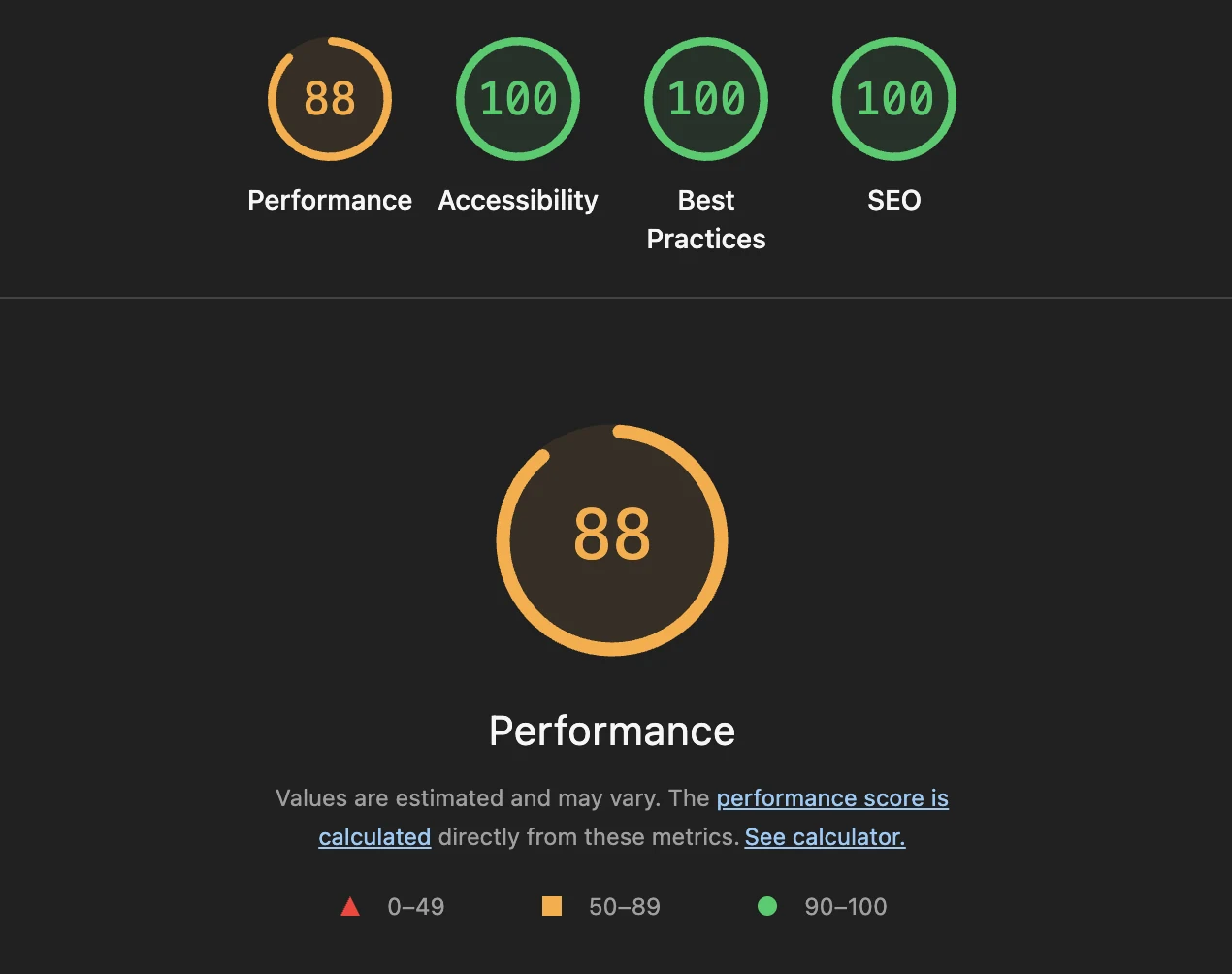
While writing this post I ran the same Lighthouse on bufferedllc.com. Mobile Performance came back at 88, in the orange band.
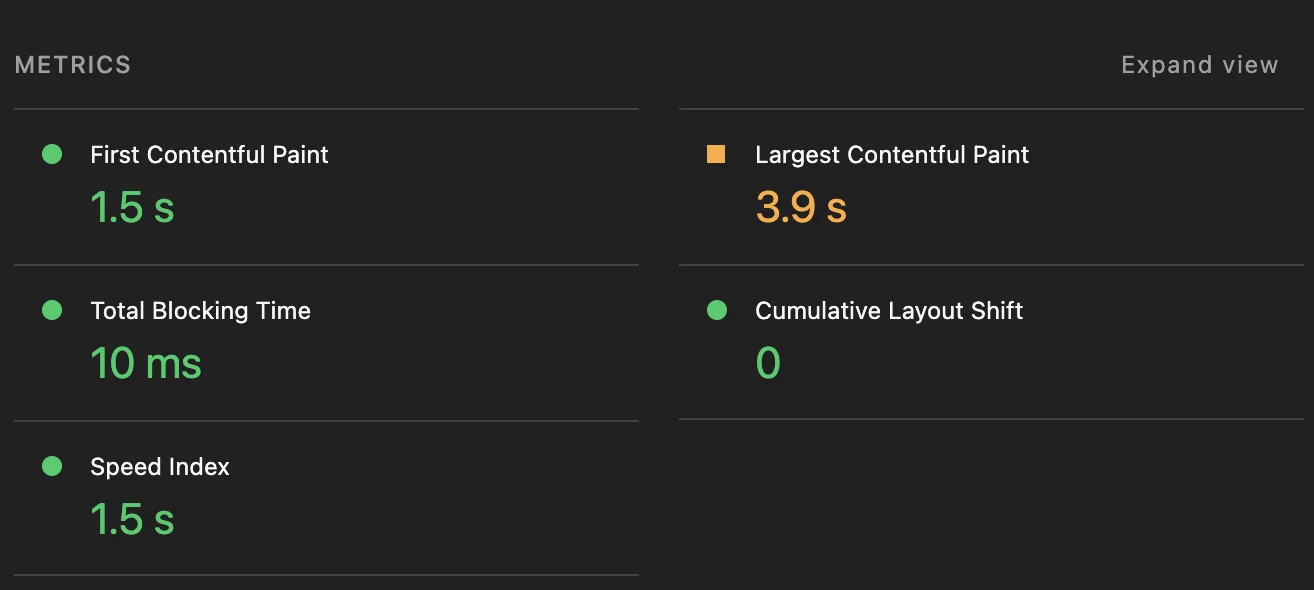
The dependency-tree view said the analytics script was loading on the LCP (Largest Contentful Paint, how fast the main thing on the page shows up) critical path, blocking the largest paint by about a second. Deferring it past first paint took a couple dozen lines of code. Same site, an hour later:
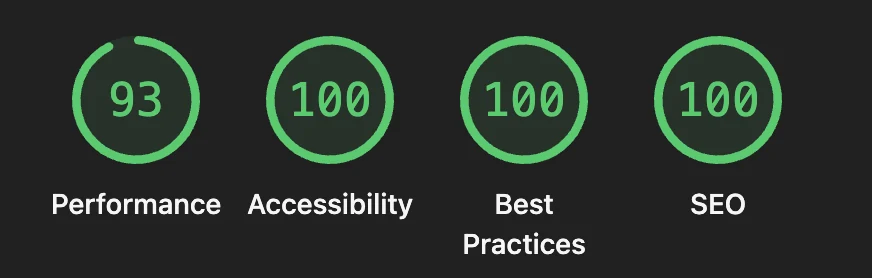
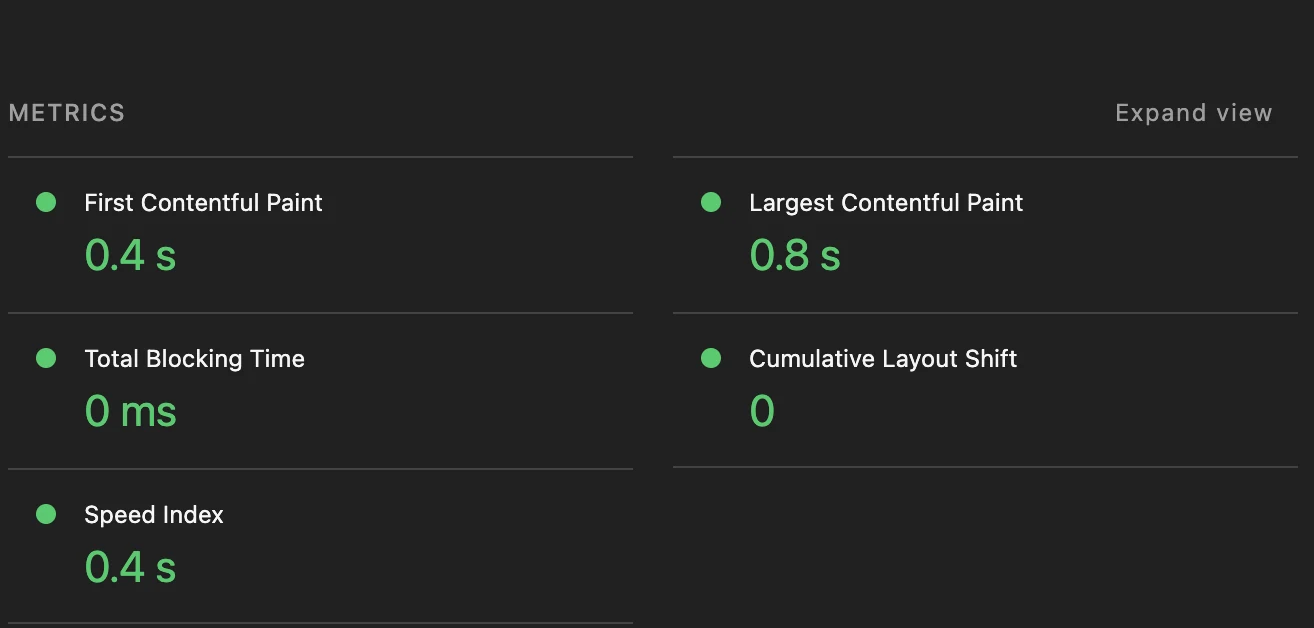
The score isn’t the point. The point is the audit named what to change, and the change was small enough to ship before the post did.
What the report should look like
Every finding cites a specific URL or filename on the site, not a generic page type. Every finding has a measurable number attached, not a verbal grade. A marketing PDF does neither.
“Your site is slow” is not a finding. “Your home page LCP is 4.2 seconds on mobile because the hero image is 1.8MB and unoptimized” is a finding. The first version sounds like an audit. The second version is one.
If the report ends with “let’s get on a call to discuss your strategy” and doesn’t include the specific changes in priority order, the document was the lead magnet. The audit was the bait.
What an audit isn’t
A site audit is not a rebuild quote. It also isn’t an SEO retainer pitch. The output is a written document you can hand to whoever maintains your site, and they can act on it without you in the room.
If a “free audit” comes back as a screencast with no written document attached, that’s a sales call. The screencast format exists because it’s harder to compare to another vendor’s report side by side.
If you’d like a written audit on your own site, I do them free. Send your URL and I’ll look.
FAQ
How long does an audit take?
A real audit on one site is a few hours of crawling, running structured-data validators, checking Lighthouse, and writing it up. The output should be a document you can read in fifteen minutes.
Do I need to give site access?
No. Most checks run against the public site. Access only matters when the auditor is going to actually apply the fixes, which is a different engagement.
What does it cost?
Audits should be free or nearly free. If a vendor is charging for the audit but won't tell you what they're going to check before they start, walk away.
What do I do with the findings?
Hand it to whoever maintains your site, or to me if you'd rather I quote the fixes. Almost every finding on a small-business site is fixable without rebuilding.